Winter Lawn Care in Sacramento: Do's & Don'ts
If you're a Sacramento homeowner, you know our Mediterranean climate throws some curveballs when it comes to winter lawn care. While folks in colder places are covering their grass with tarps and calling it a day, you're still out there wondering whether to water, when to mow, and how to keep your yard looking great through our mild but unpredictable winters. The good news? With the right approach and services, you can keep your lawn healthy and ready to shine come spring.
Key Takeaways
- Adjust watering frequency to account for increased rainfall and slower evaporation rates during Sacramento's mild winter months
- Continue mowing throughout winter but raise blade height to protect grass crowns from temperature fluctuations
- Apply winter fertilizer in late fall to strengthen root systems without encouraging excessive top growth
- Address drainage issues early to prevent waterlogged soil and root rot during rainy periods
- Maintain proper sprinkler system functionality to avoid overwatering when natural precipitation increases
- Schedule professional yard cleanup services to remove debris that can harbor pests and diseases
Understanding Sacramento's Winter Climate
Here's what makes Sacramento special: we're sitting pretty in USDA zones 9a and 9b, which means your grass keeps growing all winter long, just at a slower pace. You'll see winter temps ranging from about 38 °F to 60 °F, with most of our rain showing up between December and March. This means you can forget everything you've heard about winter lawn dormancy: your grass doesn't take a winter nap like it does back east.
There's another thing to keep in mind: our heavy clay soil holds onto water much longer than other soil types. This becomes really important during winter when water doesn't evaporate as quickly, and you can end up with waterlogged grass if you're not paying attention to your watering schedule.
Essential Winter Watering Practices
Adjusting Irrigation Schedules
Here's the thing about Sacramento winters: Mother Nature starts doing a lot of the watering for you. Your lawn needs about 50-70% less water than it does in summer. Want to know if your soil has enough moisture? Grab a screwdriver and push it about six inches into the ground. If it goes in easily, you're good to go.
If you have a sprinkler system, now's the time to reprogram it for winter. Those rain sensors and smart controllers are worth their weight in gold: they'll automatically adjust your watering when we get those surprise winter storms. When searching for sprinkler system repair near me, look for technicians who understand seasonal programming adjustments that prevent overwatering during unexpected winter storms while ensuring adequate moisture during dry spells.
Signs of Proper Winter Hydration
How do you know you're getting the watering just right? Your grass should stay nice and green without looking soggy or developing those gross fungal spots. Here's a quick test: walk across your lawn and then check back in about an hour. If your footprints have bounced back, you're golden. Yellow patches, mushrooms popping up, or grass that feels like a sponge mean you're overdoing it. Brown, crunchy grass that crackles when you walk on it? Time to turn up the water.
Winter Mowing and Maintenance
Proper Mowing Height and Frequency
Good news for those who hate weekly mowing: winter grass grows much more slowly. You'll probably only need to mow every 10-14 days, and only when your grass gets about one-third taller than you want it. Here's a key tip: raise those mower blades to 3-4 inches. Your grass will thank you for the extra protection against our occasional cold snaps.
Keep those mower blades sharp. This becomes super important in winter when your grass is more vulnerable to disease. Sharp blades make clean cuts that heal faster and fight off the fungal infections that love our cool, damp winter weather.
Leaf and Debris Management
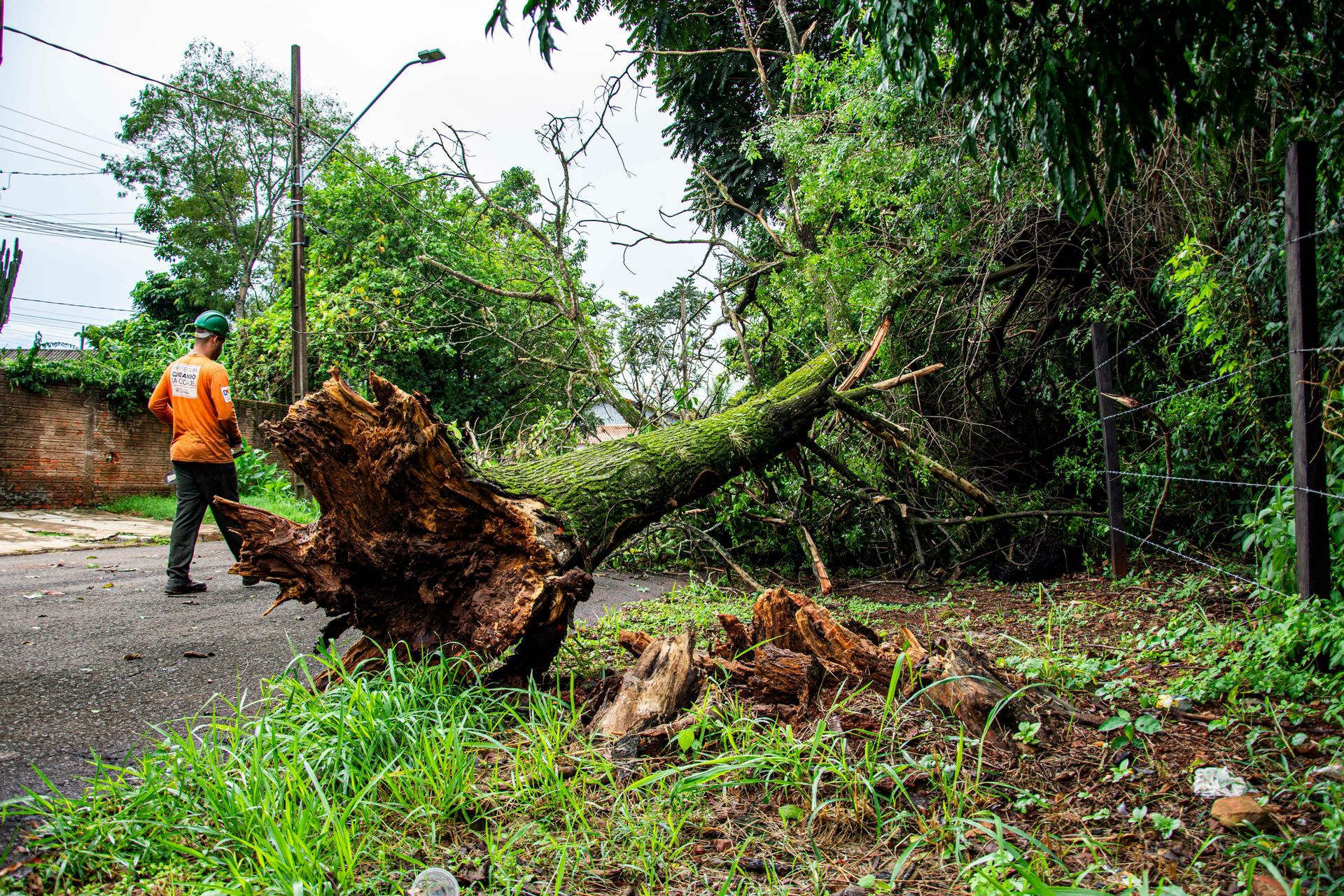
Let's talk about those leaves. Sacramento's winter storms and all those beautiful trees create an ongoing game of leaf cleanup. If you let fallen leaves sit on your grass too long, you're basically creating a perfect little hotel for fungal diseases and bugs. The good news is that many monthly lawn care service companies include leaf cleanup in their winter packages, so you don't have to be out there every weekend with a rake.
Stay on top of cleanup to keep your grass breathing and getting sunlight. This is especially important if you have lots of mature trees: those leaves can pile up fast and smother your lawn before you know it.
Fertilization Strategies for Winter Health
Timing and Nutrient Selection
Here's your fertilizer game plan: hit your lawn with winter fertilizer sometime in late November or early December, before the soil gets too cold (below 50 °F). You want something with lots of potassium and just moderate nitrogen; think of it as strengthening your grass's immune system without encouraging it to grow too fast and get vulnerable to cold damage.
Slow-release fertilizers are your best friend during winter. They keep feeding your grass steadily since our mild climate keeps soil microorganisms active. Skip the high-nitrogen stuff that makes grass grow like crazy, as you don't want tender new growth that can't handle a cold snap.
Soil Testing and Amendment
Winter provides an ideal opportunity for soil testing and amendment. Sacramento's alkaline soil often benefits from organic matter incorporation and pH adjustment. Professional landscaping services in Elk Grove and Sacramento frequently recommend soil testing every 2-3 years to monitor nutrient levels and pH balance.
Adding compost or aged manure during winter months allows organic matter to decompose slowly, improving soil structure for spring growth. This practice particularly benefits clay soils common throughout the region by enhancing drainage and root penetration.
Managing Common Winter Lawn Problems
Drainage and Waterlogging Issues
Sacramento's winter rains can really test your soil's drainage. If your yard has heavy clay soil (and lots of us do), you might end up with standing water that's bad news for grass roots. French drains can help, or you might need to work some organic matter into your soil to help it drain better. If you've got spots that just won't drain no matter what you do, it's probably time to call in a pro.
Watch out for these warning signs: grass that feels squishy when you walk on it, mushrooms popping up everywhere, and wet spots that hang around long after the rain stops. These conditions are like a welcome mat for root rot and pests. Homeowners experiencing persistent drainage issues should consider professional evaluation, and those with irrigation concerns might benefit from searching for sprinkler system repair near me to address both drainage and watering system problems simultaneously.
Disease Prevention
Our cool, damp winters are basically paradise for fungal diseases like brown patch and dollar spot. The best defense? Keep things clean and don't overwater. You'll spot these problems as circular brown patches or little dead spots scattered around your lawn.
Prevention is way easier than treatment. Keep your mowing height right, make sure water can drain properly, and avoid watering at night (wet grass overnight is asking for trouble). Catch these problems early, and you can usually handle them without major lawn renovation.
Pest Management
Winter pest activity decreases significantly, but some issues persist in mild climates. Grubs continue developing in soil, while surface-feeding insects may remain active during warm spells. Monitor for unusual brown patches or signs of digging from birds and animals seeking grubs.
Professional yard cleanup Sacramento services often identify potential pest issues during routine maintenance visits. Early detection allows for targeted treatment before pest populations increase with warmer spring weather.
Equipment Maintenance and Preparation
Mower Care During Winter
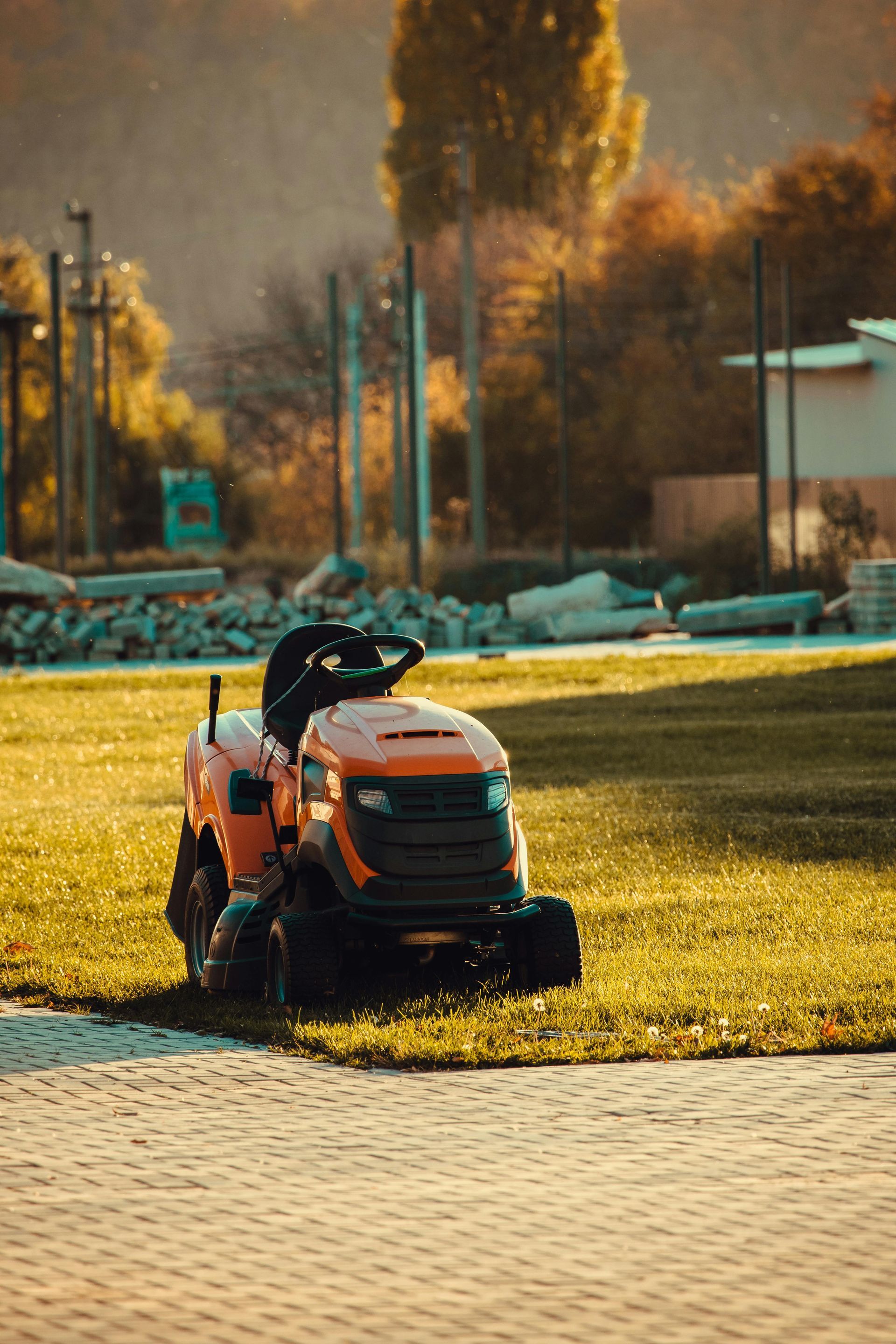
Reduced mowing frequency doesn't eliminate the need for equipment maintenance. Clean mower decks after each use to prevent grass buildup and corrosion. Check blade sharpness regularly, as dull blades become more problematic when grass growth slows, and healing takes longer.
Store equipment in dry locations and perform seasonal maintenance, including oil changes, air filter cleaning, and spark plug inspection. Well-maintained equipment ensures reliable operation during occasional winter mowing sessions.
Irrigation System Winterization
While Sacramento rarely experiences freezing temperatures that damage irrigation systems, winter maintenance prevents problems before the spring irrigation season begins. Professional sprinkler repair Sacramento technicians recommend checking for damaged heads, clearing clogged nozzles, and adjusting spray patterns affected by settling or plant growth. Homeowners should search for sprinkler system repair near me to find qualified professionals who can perform comprehensive winter system evaluations.
Inspect irrigation timers and controllers to ensure proper seasonal programming. Smart controllers with weather monitoring capabilities provide optimal water management throughout the winter months.
Professional Winter Lawn Care Services
Benefits of Professional Maintenance
Professional lawn care services bring expertise in regional climate conditions and seasonal requirements specific to Sacramento and the surrounding areas. Experienced providers understand local soil types, common grass varieties, and seasonal challenges that affect lawn health during winter months.
Regular professional maintenance includes services homeowners often overlook, such as soil compaction assessment, disease monitoring, and equipment calibration. These preventive measures address problems before they require expensive remediation.
Selecting Quality Service Providers
Quality lawn care providers offer comprehensive services, including winter-specific treatments, drainage solutions, and integrated pest management. Look for companies with local experience and knowledge of Sacramento-area conditions. When evaluating providers, consider those who offer integrated services or can recommend trusted partners when you need sprinkler system repair near me. Professional services often include detailed maintenance schedules adapted to regional climate patterns and grass growth cycles.
Established providers typically offer seasonal service packages that adjust treatments and frequency based on winter needs, providing cost-effective maintenance while ensuring optimal lawn health throughout challenging weather periods.
Preparing for Spring Transition
Late Winter Activities
February and early March mark the transition period when winter maintenance shifts toward spring preparation. Begin planning spring fertilization, overseeding, and any necessary renovation projects. Address drainage problems identified during winter before increased irrigation demands reveal their full impact.
Late winter provides optimal timing for major lawn improvements such as soil amendment, leveling, or irrigation system upgrades. Completing these projects before the active growing season ensures minimal disruption to established turf. Homeowners planning irrigation improvements should research sprinkler system repair near me during the winter months to schedule upgrades before the peak growing season begins.
Monitoring and Assessment
Document winter lawn performance to improve future seasonal care. Note areas with persistent drainage problems, disease susceptibility, or poor growth patterns. This information guides spring renovation priorities and helps prevent recurring issues.
Regular monitoring throughout the winter months allows early intervention when problems develop. Professional monthly lawn care service providers often include detailed seasonal assessments that identify improvement opportunities and prevent minor issues from becoming major problems.
Frequently Asked Questions
How often should I water my Sacramento lawn during winter?
Water deeply but not as often: maybe every 7-10 days, depending on how much rain we get. Stick that screwdriver test into the ground and adjust based on what Mother Nature gives you to avoid the overwatering trap that's super common in winter.
Should I continue fertilizing my lawn through Sacramento's winter months?
Hit it once in late November or early December with a low-nitrogen, high-potassium winter formula, then hold off until early spring. You don't want to encourage tender new growth that can't handle a cold snap.
What mowing height is best for winter lawn care in Sacramento?
Bump those mower blades up to 3-4 inches during winter to give your grass some extra protection from temperature swings. It'll look good and help prevent thatch buildup too.
How can I prevent fungal diseases during Sacramento's wet winter months?
Keep things draining well, don't overwater, and stay on top of debris cleanup so air can circulate. Mow when the grass is dry and skip evening watering that leaves your lawn wet all night.
When should I schedule professional yard cleanup services during winter?
Plan on monthly cleanups from November through January when leaves are falling like crazy, plus after any big storms. Regular cleanup keeps debris from piling up and blocking sunlight while preventing pest and disease problems.
Final Thoughts
Taking care of your Sacramento lawn in winter doesn't have to be complicated. Remember, you're dealing with a unique climate where your grass keeps growing, just slower. Cut back on watering, keep mowing but raise those blades, and stay on top of drainage issues before they become big problems. If you want to take the guesswork out of it, professional lawn care services really know how to handle our area's specific challenges. The time and effort you put into winter care will pay off big time when spring rolls around and your lawn is the envy of the neighborhood.
Need help with your winter lawn care? We're here to keep your Sacramento yard looking its best all season long.
Reference:
https://planthardiness.ars.usda.gov/home