Why Your Lawn Has Brown Spots (and How to Revive It)
Few things are more frustrating for homeowners than stepping outside and seeing brown spots scattered across an otherwise green lawn. These patches can appear suddenly or develop slowly over time, often leaving people unsure of the cause or how to correct it. Brown spots do not always point to a single issue. In many cases, they result from a combination of environmental conditions, maintenance habits, and soil health factors.
Understanding why your lawn has brown spots is the first step toward improvement. Some causes are temporary and correct themselves with better care, while others may require closer attention and long term adjustments. This guide breaks down the most common reasons lawns develop brown spots and outlines general, practical ways to help your grass recover.
The goal is not to diagnose every possible scenario but to provide helpful, educational insight that can guide smarter lawn care decisions.
Key Takeaways
- Brown spots on lawns often have multiple contributing factors
- Watering habits play a major role in lawn color and health
- Soil conditions and compaction can limit grass recovery
- Seasonal stress may cause temporary discoloration
- Identifying patterns helps narrow down possible causes
- Gradual adjustments usually lead to better long term results
What Brown Spots in Your Lawn Usually Indicate
Brown spots are a visible sign that grass is under stress. This stress may affect the roots, blades, or soil environment. While brown areas may look similar at first glance, their size, shape, and location often offer clues about what is happening beneath the surface.
Some brown spots are circular and well defined, while others appear irregular or spread outward over time. Some patches recover on their own, while others remain persistent. Paying attention to these details can help determine whether the issue is environmental, mechanical, or biological.
It is also important to note that grass does not always die when it turns brown. In many cases, it goes dormant as a protective response. With proper care, dormant grass may regain color when conditions improve.
Inconsistent or Improper Watering
Watering issues are among the most common reasons lawns develop brown spots. Both too little and too much water can stress grass and affect its color.
Underwatering
Grass needs consistent moisture to stay healthy. When lawns do not receive enough water, grass blades may turn brown and brittle. Brown spots caused by underwatering often appear in areas with higher sun exposure or shallow soil.
Signs of underwatering may include:
- Footprints that remain visible after walking
- Soil that feels dry several inches below the surface
- Grass blades curling or wilting
Adjusting watering schedules to provide deeper, less frequent irrigation can help promote stronger roots.
Overwatering
Too much water can be just as harmful as too little. Overwatering may limit oxygen availability in the soil and contribute to shallow root growth. This can make grass more vulnerable to stress.
Brown spots from overwatering may appear in low lying areas or places where water tends to collect. Improving drainage and reducing watering frequency may help restore balance.
Soil Compaction and Poor Drainage
Healthy grass relies on loose, well aerated soil. Compacted soil restricts root growth and limits how effectively water and nutrients move through the ground. Over time, this can lead to thinning grass and brown patches.
Soil compaction often occurs in areas with heavy foot traffic, frequent mowing, or clay heavy soils. Brown spots related to compaction may not respond well to watering alone.
Improving soil structure through aeration and organic matter can support better root development and help grass recover more evenly.
Nutrient Imbalances and Fertilizer Issues
Grass requires a balanced supply of nutrients to maintain color and density. When nutrients are lacking or applied unevenly, brown spots may develop.
Lack of Nutrients
Low nitrogen levels can cause grass to lose its green color and appear pale or brown. Nutrient deficiencies often affect larger areas rather than isolated spots, but uneven soil conditions can create patchy results.
A soil test can provide general insight into nutrient levels and help guide fertilizer choices.
Fertilizer Burn
Applying too much fertilizer or spreading it unevenly may damage grass. This often leads to sharply defined brown patches where fertilizer concentration was highest.
To reduce the risk of fertilizer burn:
- Follow label instructions carefully
- Avoid fertilizing during extreme heat
- Water lightly after application if recommended
Lawn Diseases and Fungal Activity
Certain lawn diseases may contribute to brown spots, especially during periods of high humidity or prolonged moisture. These issues often appear as circular or irregular patches that may expand over time.
While disease presence can vary by region and season, lawns that stay wet for extended periods may be more susceptible. Improving airflow, adjusting watering times, and maintaining proper mowing height can help reduce stress that contributes to disease development.
It is important to avoid assuming disease without clear signs, as many other issues can cause similar discoloration.
Pet Related Lawn Damage
Pet urine is a common cause of small brown spots, particularly in lawns with frequent pet activity. These spots often appear as circular patches with darker green grass around the edges.
The concentrated nitrogen in urine may initially stimulate growth around the spot while damaging grass at the center. Over time, repeated exposure may prevent full recovery.
General strategies include watering affected areas more frequently and encouraging pets to use different areas of the yard.
Mowing Practices That Stress Grass
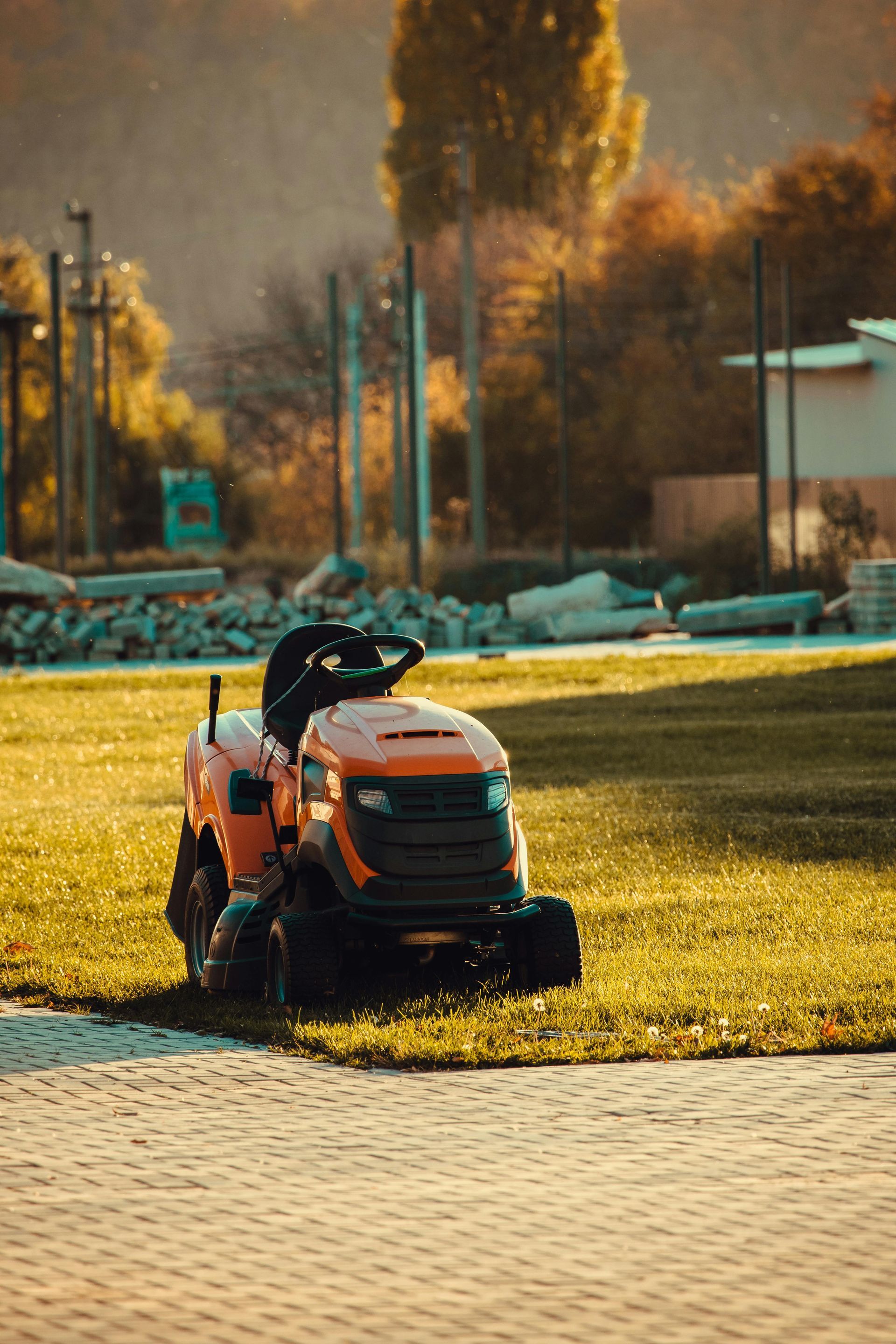
Mowing habits influence how well grass tolerates stress. Cutting grass too short can weaken it and reduce its ability to retain moisture.
Brown spots related to mowing practices may appear shortly after cutting and may be more noticeable during warm or dry conditions.
Best practices often include:
- Avoiding removal of more than one third of grass height at once
- Keeping mower blades sharp
- Adjusting mowing height seasonally
Proper mowing supports stronger roots and more even color.
Seasonal Stress and Environmental Factors
Weather patterns and seasonal changes can also play a role in lawn discoloration. Heat, drought, and sudden temperature shifts may cause temporary browning.
During hot summer months, some grass types may enter dormancy as a survival response. While this can look concerning, dormant grass often recovers when temperatures moderate and moisture levels improve.
Understanding seasonal growth cycles can help set realistic expectations and reduce unnecessary interventions.
How to Identify the Cause of Brown Spots
Since multiple factors can contribute to brown spots, observation is key. Taking note of patterns, timing, and lawn conditions can help narrow down possible causes.
Consider asking these questions:
- Do the spots appear after watering or rain
- Are they located in sunny or shaded areas
- Do they follow mowing or fertilizing
- Are pets frequently using the affected areas
Combining these observations with general lawn care knowledge can guide appropriate adjustments.
Steps to Help Revive a Lawn with Brown Spots
Reviving a lawn with brown spots usually involves addressing underlying stress rather than seeking a quick fix. Gradual improvements often lead to better results.
General steps may include:
- Adjusting watering schedules for consistency
- Improving soil aeration and drainage
- Reviewing fertilizer practices
- Modifying mowing height and frequency
- Allowing time for recovery during seasonal stress
In many cases, patience and consistency are just as important as specific treatments.
When Brown Spots May Require Extra Attention
While many brown spot issues are temporary, some situations may benefit from professional evaluation. Lawns that fail to recover over time or show expanding damage may have deeper soil or drainage concerns.
Seeking guidance can help clarify whether adjustments or more targeted care are appropriate for
long term lawn health.
Frequently Asked Questions
Can brown grass turn green again?
Yes, in many cases brown grass is dormant rather than dead and may recover with improved conditions.
How long does it take for brown spots to recover?
Recovery time varies based on the cause, grass type, and care practices. Some areas improve within weeks, while others may take longer.
Is it okay to water brown spots more often?
Targeted watering can help in dry areas, but it is important to avoid overwatering, which can cause other issues.
Should I reseed brown patches right away?
Reseeding may help in some cases, but addressing underlying issues first often leads to better results.
Do brown spots always mean disease?
No, many brown spots are caused by environmental or maintenance factors rather than disease.
Final Thoughts
Brown spots in your lawn can be discouraging, but they are often a sign that grass is responding to stress rather than permanent damage. By understanding common causes and making thoughtful adjustments, homeowners can support gradual recovery and stronger growth.
Every lawn is different, and solutions that work in one situation may not apply in another. Observing your lawn over time and responding with balanced care helps
create healthier conditions overall.
If brown spots persist or you want expert guidance on improving lawn health, consider consulting a local lawn care professional.
Reference:
https://scottsmiraclegro.com/en-us/learn/lawn-care/what-causes-brown-spots-in-the-lawn.html