Fall Leaf Removal & Yard Prep Guide
Fall brings beautiful foliage, but it also means countless hours of seasonal yard cleanup for homeowners across Sacramento and Elk Grove. Preparing your outdoor spaces for winter requires strategic planning, proper tools, and knowledge of effective techniques that protect your lawn and landscaping investments. This comprehensive guide covers everything you need to know about managing fallen leaves, preparing your yard for colder months, and maintaining healthy outdoor spaces that will thrive come spring.
Key Takeaways
- Remove fallen leaves promptly to prevent lawn suffocation and disease development underneath thick leaf layers
- Use proper composting techniques to transform yard waste into valuable soil amendments for next year's growing season
- Schedule professional lawn care services during peak fall cleanup periods to ensure thorough preparation and equipment availability
- Plan yard cleanup projects systematically, starting with tree pruning and ending with final leaf removal before winter
- Consider local junk removal services for efficient disposal of large volumes of organic debris and yard waste
- Implement preventive measures like gutter cleaning and proper mulching to reduce spring maintenance requirements
Essential Tools for Effective Fall Yard Cleanup
Successful seasonal yard cleanup begins with having the right equipment for the job. Quality tools not only make the work more efficient but also help protect your plants and lawn during the cleanup process.
Rakes and Collection Equipment
Traditional leaf rakes remain the gold standard for gathering fallen leaves, but choosing the right type makes a significant difference in efficiency. Wide-tined rakes work best for large open areas, while narrow rakes provide better control around delicate plants and tight spaces. Ergonomic handles reduce strain during extended cleanup sessions.
Power Tools for Larger Properties
Leaf blowers significantly speed up the collection process, particularly for properties with mature trees or extensive landscaping. Electric models work well for smaller yards, while gas-powered units handle larger areas more effectively.
Mulching mowers can chop leaves directly on the lawn, creating natural fertilizer when leaf coverage is light.
Waste Management Solutions
Proper disposal planning prevents overwhelming your regular waste collection. Biodegradable lawn bags work well for municipal composting programs, while tarps allow easy transport of large leaf volumes. Consider renting a small dumpster for major cleanup projects involving multiple trees or extensive landscaping debris.
Timing Your Leaf Removal Strategy
Understanding when and how often to remove fallen leaves protects your lawn while maximizing the benefits of natural organic matter. The timing of your cleanup efforts directly impacts grass health and spring growth potential.
Weekly Maintenance Approach
Regular leaf removal every seven to ten days prevents excessive accumulation that can smother grass and create disease conditions. This schedule works particularly well in areas with moderate leaf drop from smaller trees or when dealing with mixed landscaping that includes both grassy areas and planted beds.
End-of-Season Complete Cleanup
Some homeowners prefer waiting until most leaves have fallen before conducting a comprehensive cleanup. This approach works best when you have adequate time and help available, as the volume of material can be substantial. Professional lawn care services often recommend this timing for properties with extensive tree coverage.
Weather Considerations
Dry conditions make leaf removal much easier and more effective than attempting cleanup during wet weather. Plan your major cleanup efforts during clear autumn days when leaves are dry and lightweight. Wet leaves become heavy, difficult to move, and more likely to compact into mats that damage the grass underneath.
Professional Lawn Care vs. DIY Approaches
Deciding between handling yard cleanup yourself or hiring professional services depends on several factors, including property size, available time, and physical capabilities.
Benefits of Professional Services
Experienced
lawn care teams bring specialized equipment and systematic approaches that ensure thorough cleanup without damage to existing landscaping. Professional services in Sacramento and Elk Grove typically include comprehensive debris removal, proper disposal, and additional services like gutter cleaning or minor pruning that enhance overall property maintenance.
Professional teams also understand local waste disposal regulations and have established relationships with composting facilities, making the cleanup process more environmentally responsible. Many services offer seasonal packages that include spring preparation, making the investment more cost-effective over time.
DIY Considerations and Limitations
Homeowners with smaller properties and adequate time can certainly handle their own yard cleanup, particularly when the right tools are available. DIY approaches allow complete control over timing and methods, plus the satisfaction of completing the work yourself.
However, consider the physical demands involved, especially for properties with multiple large trees. The repetitive motions required for extensive leaf removal can strain muscles and joints. Additionally, proper disposal can become challenging when dealing with large volumes of organic waste.
Creating Effective Composting Systems
Transforming fallen leaves into valuable compost creates an excellent soil amendment while reducing waste that would otherwise require disposal services. Proper composting techniques ensure successful decomposition and prevent pest problems.
| Composting Method | Time Required | Space Needed | Maintenance Level |
|---|---|---|---|
| Traditional Bin | 6-12 months | Medium | Moderate turning required |
| 'Tumbler System | 3-6 months | Small | Regular rotation needed |
| Simple Pile | 12-18 months | Large | Minimal maintenance |
| Trench Composting | 4-8 months | Small | Low maintenance |
Layering Techniques
For successful composting, carbon-rich materials like leaves should be balanced with nitrogen-rich materials such as grass clippings or kitchen scraps. Aim for approximately three parts brown materials (leaves) to one part green materials for optimal decomposition rates.
Moisture and Aeration Management
Maintaining proper moisture levels keeps decomposition active without creating anaerobic conditions that produce unpleasant odors. The compost pile should feel like a wrung-out sponge, moist but not dripping. Regular turning introduces oxygen that speeds decomposition and prevents compaction.
Protecting Plants and Lawns During Cleanup
Careful cleanup techniques preserve the health of your existing landscaping while preparing for winter dormancy periods. Proper methods prevent damage that could affect spring growth and overall plant vitality.
Gentle Removal Around Delicate Plants
Hand-raking around sensitive perennials and newly planted areas prevents root disturbance and branch damage. Use lightweight rakes with flexible tines that bend rather than scrape when they encounter obstacles. Leave some leaf coverage around the base of tender plants for natural winter protection.
Grass Protection Strategies
Avoid raking wet grass, which can tear and damage the turf. When leaves are thick enough to completely block sunlight, prioritize their removal even if conditions are not ideal. Light leaf coverage can remain through winter, providing natural mulch that decomposes and fertilizes the soil.
Mulching Beneficial Areas
Rather than removing all organic material, consider relocating leaves to garden beds where they provide valuable winter protection and soil improvement. Shred leaves with a mulching mower before applying them around trees and shrubs to prevent matting and improve decomposition rates.
Managing Large-Scale Cleanup Projects
Properties with extensive tree coverage or multiple years of accumulated debris require systematic approaches to handle the volume efficiently and safely.
Project Planning and Preparation
Break large cleanup projects into manageable sections, tackling one area completely before moving to the next. This approach prevents feeling overwhelmed and ensures thorough work in each section. Gather all necessary tools and materials before starting to avoid interruptions.
Efficient Waste Removal Options
For major cleanup projects, standard waste collection may not handle the volume involved. Research local yard waste disposal options, including municipal composting programs, private
junk removal services, or rental containers specifically designed for organic debris.
Many areas around Sacramento and Elk Grove offer seasonal yard waste collection services that can handle large volumes more cost-effectively than multiple trips to disposal facilities. Some landscaping services also provide debris removal as part of comprehensive yard cleanup packages.
Safety Considerations
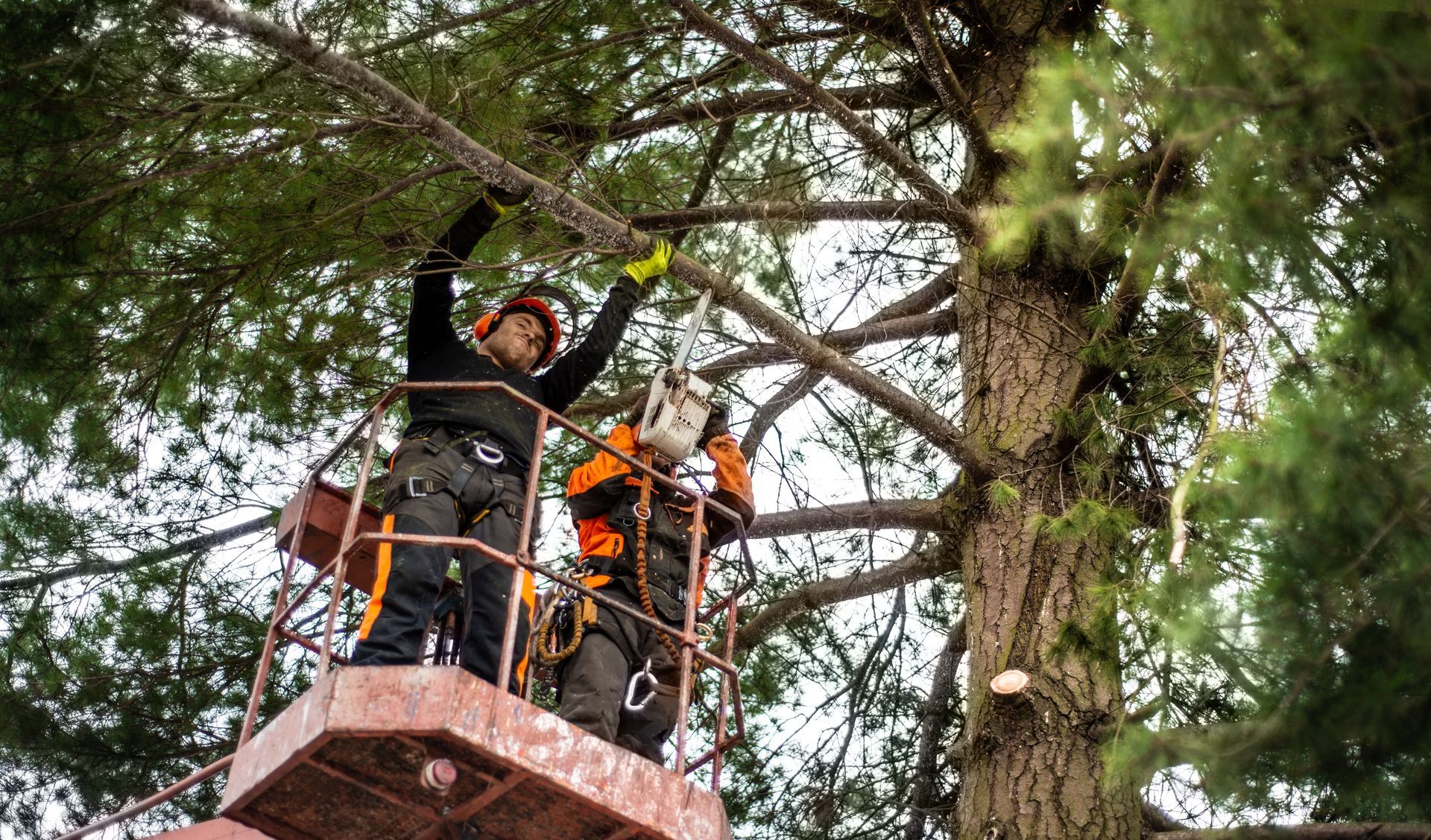
Large cleanup projects can present safety hazards, including overexertion, equipment-related injuries, and complications from working around power lines or unstable branches. Take frequent breaks, use proper lifting techniques, and consider professional help for work involving tall ladders or heavy equipment.
Winter Preparation Beyond Leaf Removal
Comprehensive yard preparation extends beyond leaf management to include other maintenance tasks that protect your property during winter months and set the stage for successful spring growth.
Gutter and Drainage Maintenance
Clean gutters prevent ice dams and water damage during winter weather. Remove all organic debris, including leaves, twigs, and seed pods that could create blockages. Check downspouts for proper drainage away from foundation areas.
Final Lawn Care Tasks
Complete your last mowing session slightly shorter than summer height to prevent snow mold and pest problems. Apply winter fertilizer if recommended for your grass type. Address any bare spots with
overseeding to establish strong growth for spring.
Garden Bed Preparation
Cut back dead perennial growth and remove diseased plant material to prevent pest and disease problems next year. Add fresh mulch around trees and shrubs after the ground begins to freeze to maintain consistent soil temperatures through winter.
Frequently Asked Questions
How often should I remove fallen leaves during peak autumn months?
Remove leaves every 7-10 days during heavy leaf-fall periods to prevent grass suffocation. Light leaf coverage can remain for natural winter protection.
Can I use fallen leaves directly as mulch around plants and trees?
Shred leaves with a mulching mower before applying them as mulch to prevent matting and improve decomposition. Whole leaves can create impermeable layers that block water and air.
What is the most cost-effective way to dispose of large volumes of yard waste?
Municipal yard waste programs and seasonal bulk collection services typically offer the most economical disposal options for homeowners. Private junk removal services provide convenience for smaller volumes.
Should I hire professional lawn care services for fall cleanup?
Professional services offer efficiency and expertise for larger properties or when time constraints prevent a thorough DIY cleanup. Compare costs against your available time and physical capabilities.
How can I prevent excessive leaf accumulation in future years?
Strategic tree pruning, regular maintenance throughout the growing season, and choosing appropriate tree species for your space can reduce future cleanup requirements while maintaining landscape beauty.
Final Thoughts
Effective fall yard preparation requires balancing thorough cleanup with protecting your landscape investments for healthy spring growth. Whether you choose to handle seasonal yard cleanup yourself or work with professional lawn care services in Sacramento and Elk Grove, the key lies in systematic planning and consistent execution. Remember that the effort invested in proper fall maintenance pays dividends in easier spring startup and healthier outdoor spaces throughout the growing season. Consider your available time, physical capabilities, and property size when deciding between DIY approaches and professional services, keeping in mind that some tasks benefit significantly from experienced expertise and specialized equipment.
Ready to tackle your fall yard cleanup? Contact our experienced team today for professional leaf removal and seasonal yard preparation services.
Reference:
https://www.bobcat.com/na/en/buying-resources/turf-renovation-equipment/why-overseed